Bulk Petroleum Trading
Structured bulk petroleum procurement and trading for institutional buyers, conducted with transparent commercial process.
For an institutional buyer — a bank, a government procurement office, a manufacturer, an aviation programme, an agribusiness — a bulk petroleum trade is not a purchase order, it is a governed supply event where continuity, product integrity, and audit-proof documentation carry real weight. Kronix Energy structures bulk petroleum trades for institutional buyers across Ghana and the Lomé corridor, with transparent commercial process, since 1982. Request a supply contract — or open an account: +233 20 531 3333 (Togo / Lomé: +228 96 86 86 75).

Bulk Petroleum Trading for Institutional Buyers in Ghana
What Is Bulk Petroleum Trading?
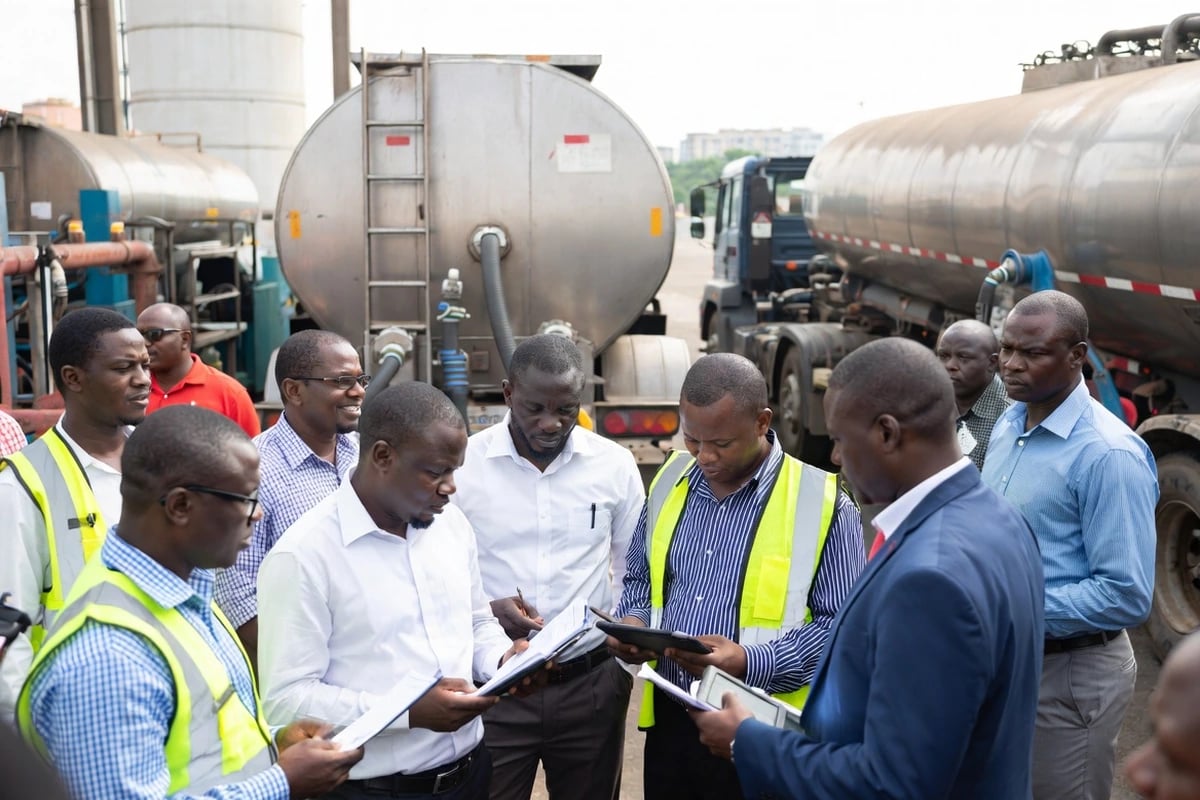
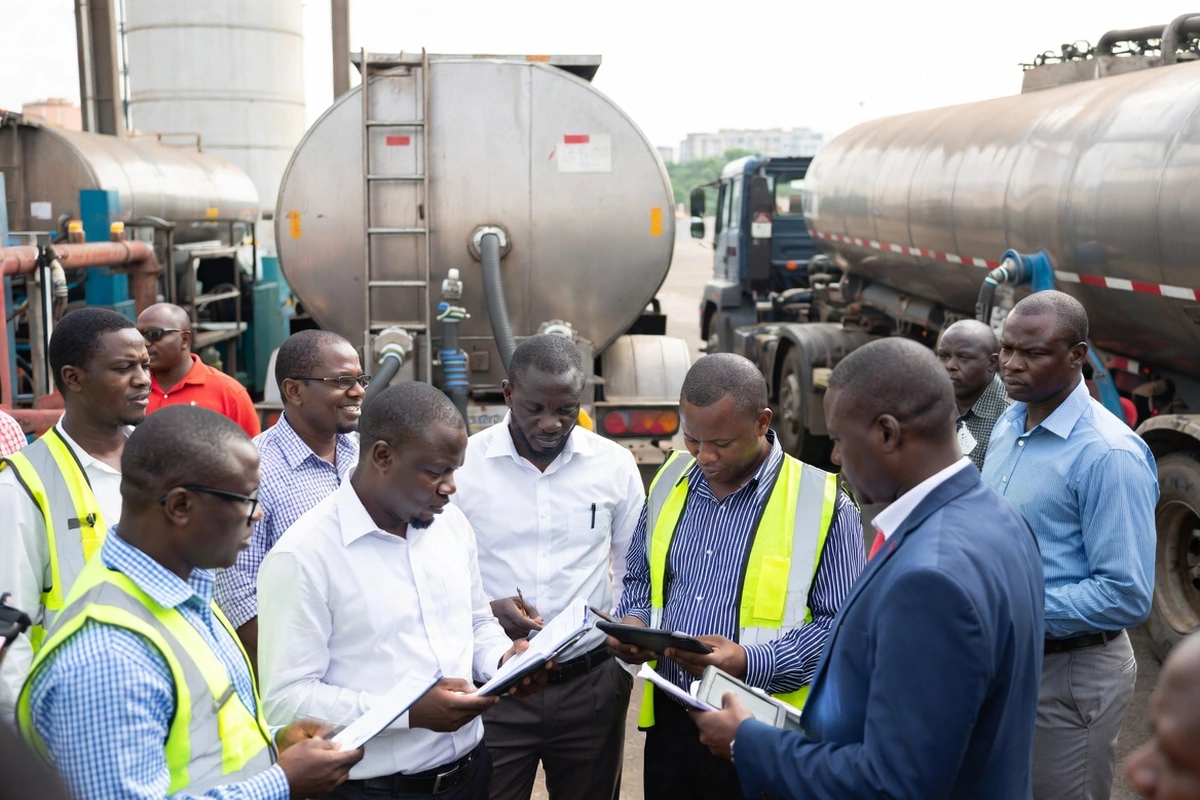
Bulk petroleum trading refers to the structured procurement, commercial negotiation, and coordinated transfer of petroleum products at institutional volumes — conducted under documented commercial process with full chain-of-custody accountability at every handover point. At this scale, the transaction is not simply a purchase order; it is a governed supply event involving counterparty validation, product specification confirmation, logistics coordination, and compliance documentation executed in sequence.
Institutional buyers — mining operations, manufacturing facilities, aviation fuelling programmes, power generation assets, and government procurement offices across Ghana and Togo — specify this service when the consequence of supply disruption, product non-conformance, or documentation failure carries operational and regulatory weight. Kronix Energy operates within that consequence environment with process rigour calibrated to it.
When to Specify Bulk Petroleum Trading
Bulk petroleum trading is the appropriate procurement instrument when a client’s volume, continuity requirements, or regulatory obligations exceed what standard retail or distributor channels can reliably serve. A mine requiring uninterrupted diesel supply across a multi-month extraction cycle, a manufacturer running continuous-process equipment dependent on a single fuel grade, or a government agency managing strategic reserve replenishment — each of these demand a trading counterparty with documented process discipline rather than transactional convenience.
Across Ghana and the Togo corridor, the sectors that most consistently specify structured bulk trading include industrial manufacturing, extractive industries, aviation ground operations, marine bunkering, and large-scale construction infrastructure. In each case, the defining requirement is the same: commercial certainty, product integrity, and documentation that withstands audit.
Methodology — The Kronix Energy Specialist Approach
-
Requirement Specification and Counterparty Briefing — The engagement begins with a formal specification document capturing the client’s product grade requirements, delivery scheduling, volume cadence, and compliance obligations. This document governs the entire supply cycle and is signed off before any commercial position is taken.
-
Source Validation and Commercial Structuring — Supply sources are validated against product specification and HSE compliance criteria. Commercial terms — pricing structure, volume parameters, payment schedule, and risk allocation — are structured transparently and documented in a formal trade agreement.
-
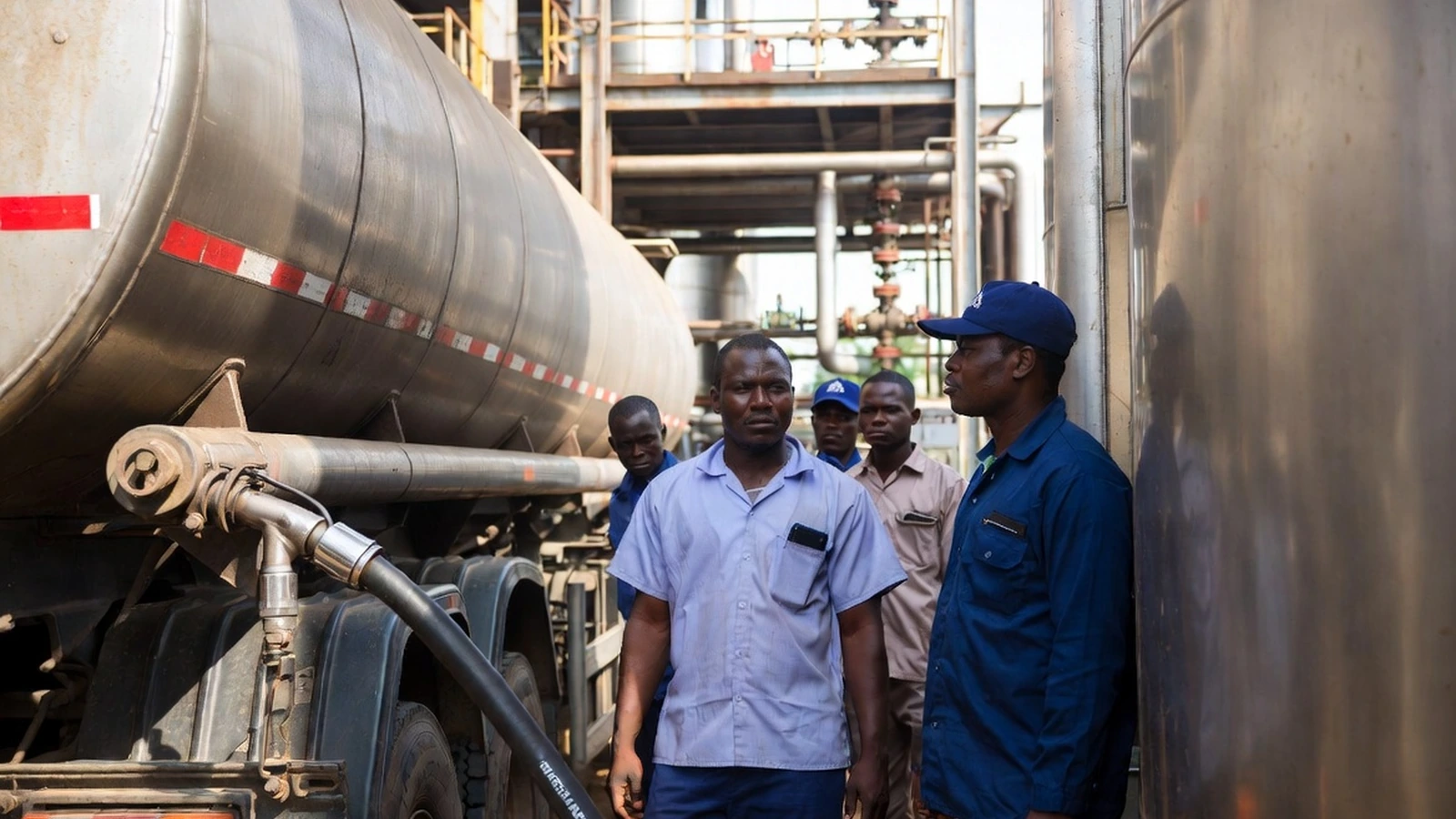
Logistics Coordination and HSE Pre-Clearance — Delivery logistics across the Ghana and Togo operating corridor are coordinated with HSE pre-clearance at each transfer point. Documentation confirming product provenance, transport compliance, and handling protocol accompanies every consignment.
-
Handover Inspection and Chain-of-Custody Sign-Off — At each delivery handover, a structured inspection confirms product conformance against specification. Chain-of-custody documentation is completed and filed — creating an auditable record that supports the client’s own compliance, finance, and operations teams.
-
Post-Supply Review and Continuity Planning — Following each supply cycle, Kronix Energy conducts a documented post-supply review with the client. Observations on volume accuracy, scheduling performance, and documentation quality are recorded, and adjustments to the forward supply plan are formalised before the next cycle commences.
Process Standards and Operating Framework
- Formal specification sign-off document preceding every bulk trading engagement
- Chain-of-custody documentation at each product transfer and handover point
- HSE compliance verification applied to transport, handling, and delivery operations
- Transparent commercial structuring with documented trade terms and pricing logic
- Quality Management processes aligned to ISO 9001 principles
- Environmental and occupational health management aligned to ISO 14001 and ISO 45001 frameworks
Outcomes for Institutional Clients
Clients who specify bulk petroleum trading through Kronix Energy receive a supply relationship built on process accountability rather than informal arrangement. Each engagement produces a documented trail — from initial specification through final handover — that supports internal audit, regulatory compliance, and continuity planning. The commercial structure is transparent at inception, and the HSE disciplines applied throughout protect both the client’s operations and the integrity of the supply event itself.
For institutions where fuel supply is a critical operational dependency, this process discipline is not a premium addition. It is the baseline requirement.
What It Costs — Honestly
Bulk petroleum is quoted per trade, not sold at a fixed published rate. Fuel has been deregulated in Ghana since 2015, and bulk pricing is indexed to the NPA price build-up (which moves with the twice-monthly pricing windows) plus your trade-specific factors — product grade, volume cadence, delivery, and payment terms. Any counterparty quoting a flat per-litre rate before structuring the trade is guessing. We quote transparently against the build-up.
Regulated & To Standard
- Downstream petroleum supply in Ghana is regulated by the National Petroleum Authority (NPA) under the NPA Act, 2005 (Act 691) — we operate within that framework and describe only the licences and certifications we actually hold
- Product traded to the ECOWAS low-sulphur (50 ppm) standard and Ghana Standards Authority specifications (GS 140 / GS 141)
- Quality, environmental, and occupational-safety processes structured under voluntary ISO 9001 / ISO 14001 / ISO 45001 principles
- Established 1982 — a real downstream operator with institutional supply experience across Ghana and the Lomé corridor
Institutional Trading Across Ghana & the Lomé Corridor
We structure bulk trades for banks, government procurement offices, manufacturers, aviation programmes, and agribusiness across Accra, Tema, Takoradi, and Kumasi, and cross-border into Lomé, Togo and Francophone West Africa — in English and French, with documentation that withstands audit on both sides of the corridor.
Related Services
- Fuel Supply Contracts in Ghana — the institutional supply contract, built for continuity
- Fuel Supply & Distribution — scheduled delivery with documented custody transfer
- Fuel Supply on the Lomé Corridor — cross-border supply into Togo & the region
- Petroleum Supply Cost Guide — how bulk supply is priced, honestly
Frequently Asked Questions
How much does bulk petroleum cost in Ghana? Quoted per trade, indexed to the NPA price build-up (fuel is deregulated since 2015) plus trade-specific factors — there is no fixed published rate, and any counterparty quoting one before structuring the trade is guessing.
What is the minimum volume for a bulk trade? Scoped to the account in the specification step rather than a fixed minimum — the test is whether structured, documented supply is what the account needs.
Do you trade across the Ghana–Togo corridor? Yes — bulk supply and logistics into Lomé and Francophone West Africa, served in English and French.
Are you licensed to trade petroleum in Ghana? Downstream supply is regulated by the NPA under Act 691; we operate within that framework, trade to ECOWAS 50 ppm and GSA standards, and describe only the licences we actually hold.